Where the forest begins
On the protected forest above the valley, and the particular quality of managed land.
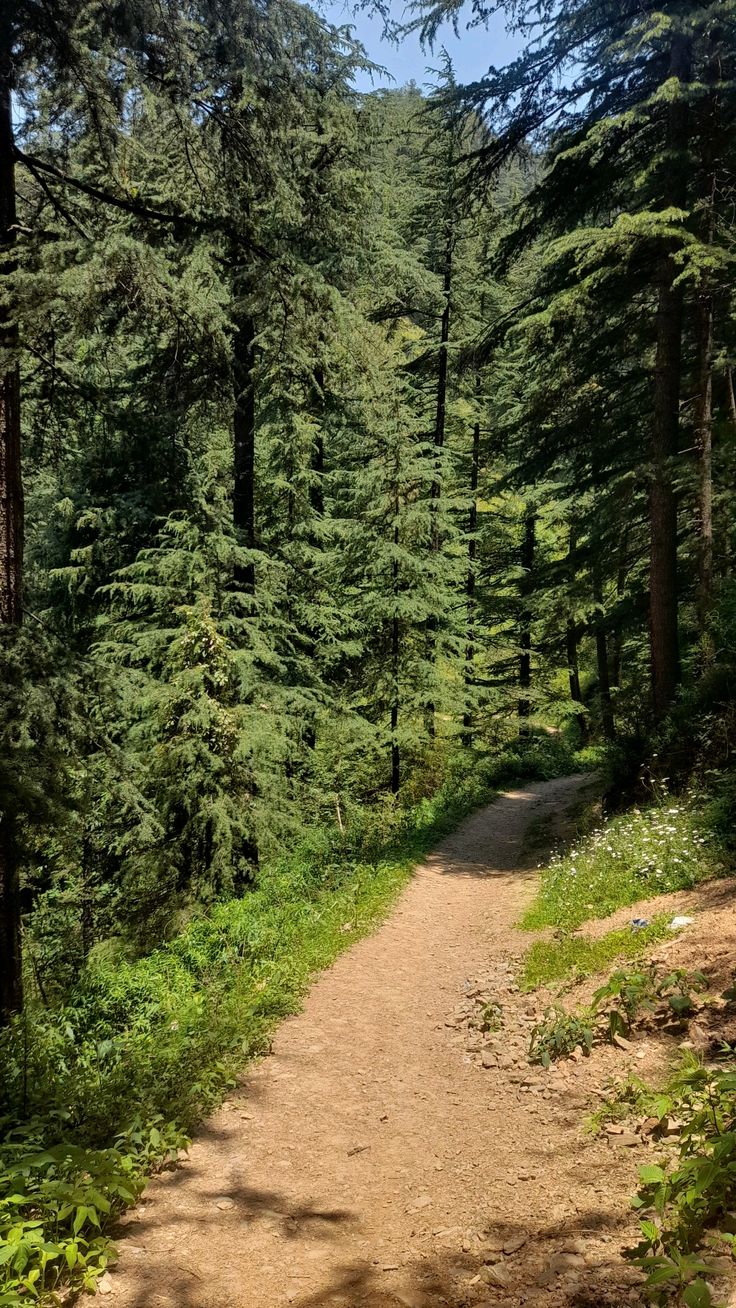
The Great Himalayan National Park begins not at a gate but gradually, which is part of what makes it confusing the first time. There is no line you cross. The forest simply becomes less managed, and then it is not managed at all.
Two forests, one walk
Set out from the village and you move from orchard edge to managed forest to wild forest within an hour. The first is pruned and thinned and terraced for production. The second is harvested in rotation. The third is the park, and inside it the trees decide their own spacing, which is why it feels denser even though it may be the same species.
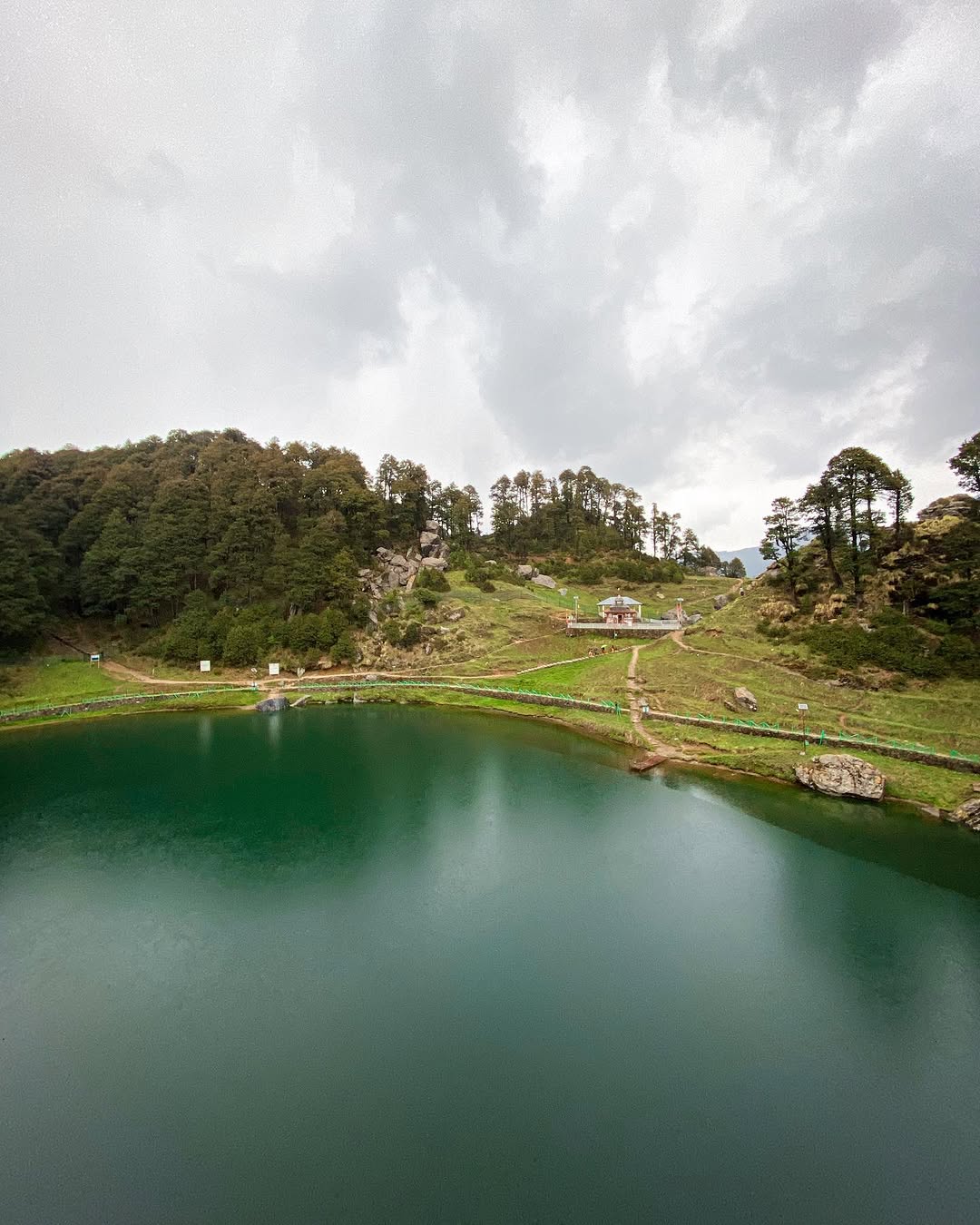
A managed forest grows to a plan. A protected one grows to a pace, and the difference is in the undergrowth.
The practical consequences for a visitor are small but real: paths inside the park are marked and follow established routes, wildlife is genuinely wild and should be observed from distance, and the ground is unpredictable in a way that managed forestry generally prevents.
Why the contrast is worth seeing
Most places give you a landscape without showing you its opposite. Jibhi happens to contain both a working forest economy and a protected forest reserve within a short walk of each other, which is unusual and is the clearest argument for spending more than a night here.