The road to Jalori Pass
Fifteen kilometres, roughly forty-five minutes, and a change in altitude you feel before you see it.
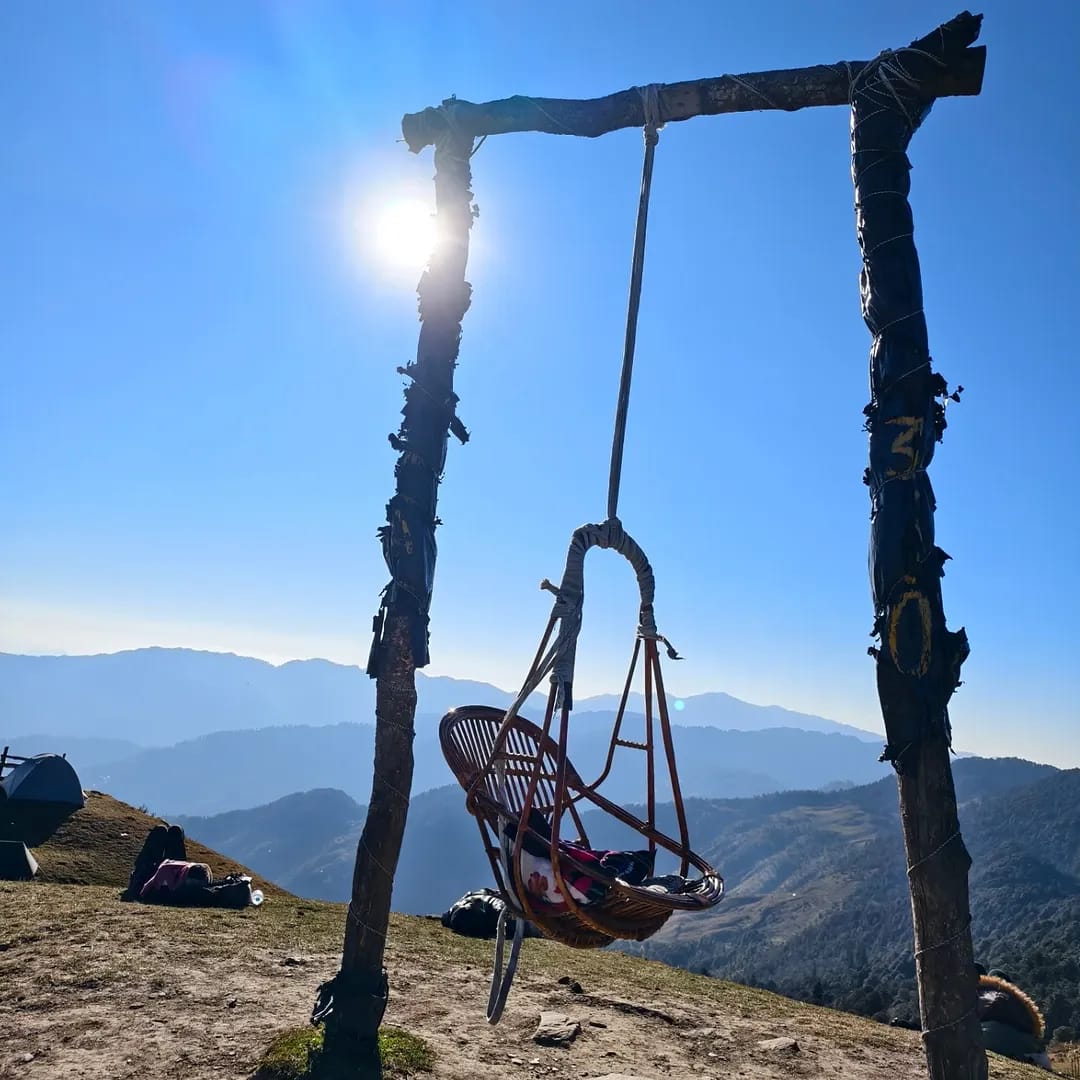
The road to Jalori Pass begins as ordinary mountain tarmac and then, without ceremony, stops being ordinary. It narrows. It tilts. It finds a series of bends that gain height quickly, and if you look back — which most people do, at least once — the village you left is already smaller than you expected.
Fifteen kilometres, entirely uphill in feeling
Fifteen kilometres is not far, and roughly forty-five minutes is not long. Both numbers are true and neither is the point. The pass sits at around three thousand one hundred and twenty metres, and the body registers that transition more honestly than the map does. Conversation gets shorter somewhere past the halfway point. That is the altitude talking.
You do not climb the pass so much as you arrive at it, gradually, and slightly out of breath.
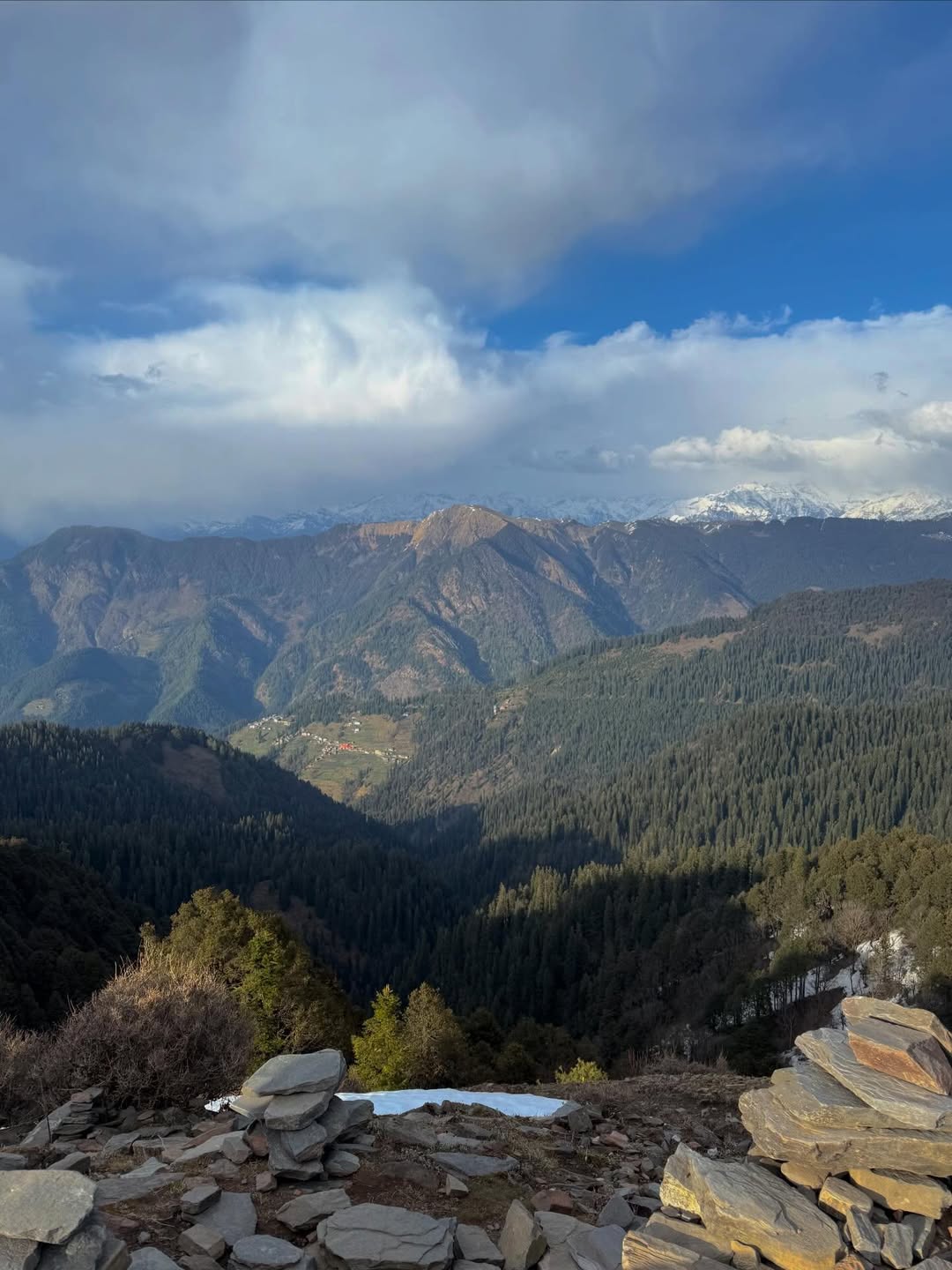
The Explore page lists this one as moderate difficulty and puts the season at March to June, then September to November. That range is worth respecting rather than optimising around. The monsoon brings cloud, and cloud at this height is not atmosphere, it is simply white.
What to bring, and what to leave
A layer you can put on and take off twice in an hour, water, and shoes with grip. Everything else you are tempted to pack for this drive is weight the car does not need. There is nothing on the pass to buy and nothing on the pass to queue for, which is a good description of the place in one sentence.
Coming down is the part people underestimate. The descent is long and the bends reward attention. Build in the time. Most of the afternoon is better spent back in the valley than in the car, and the valley is not going anywhere.