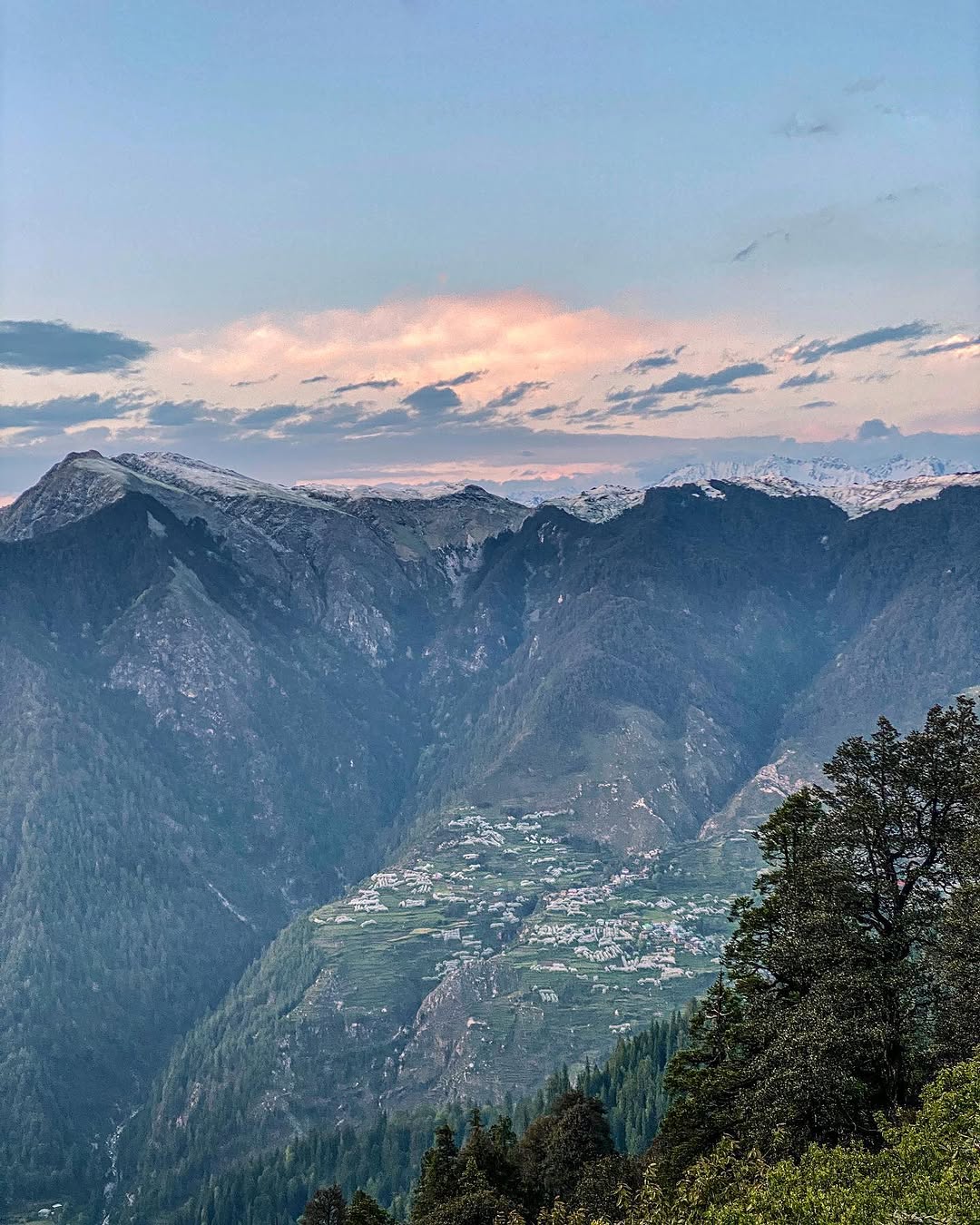
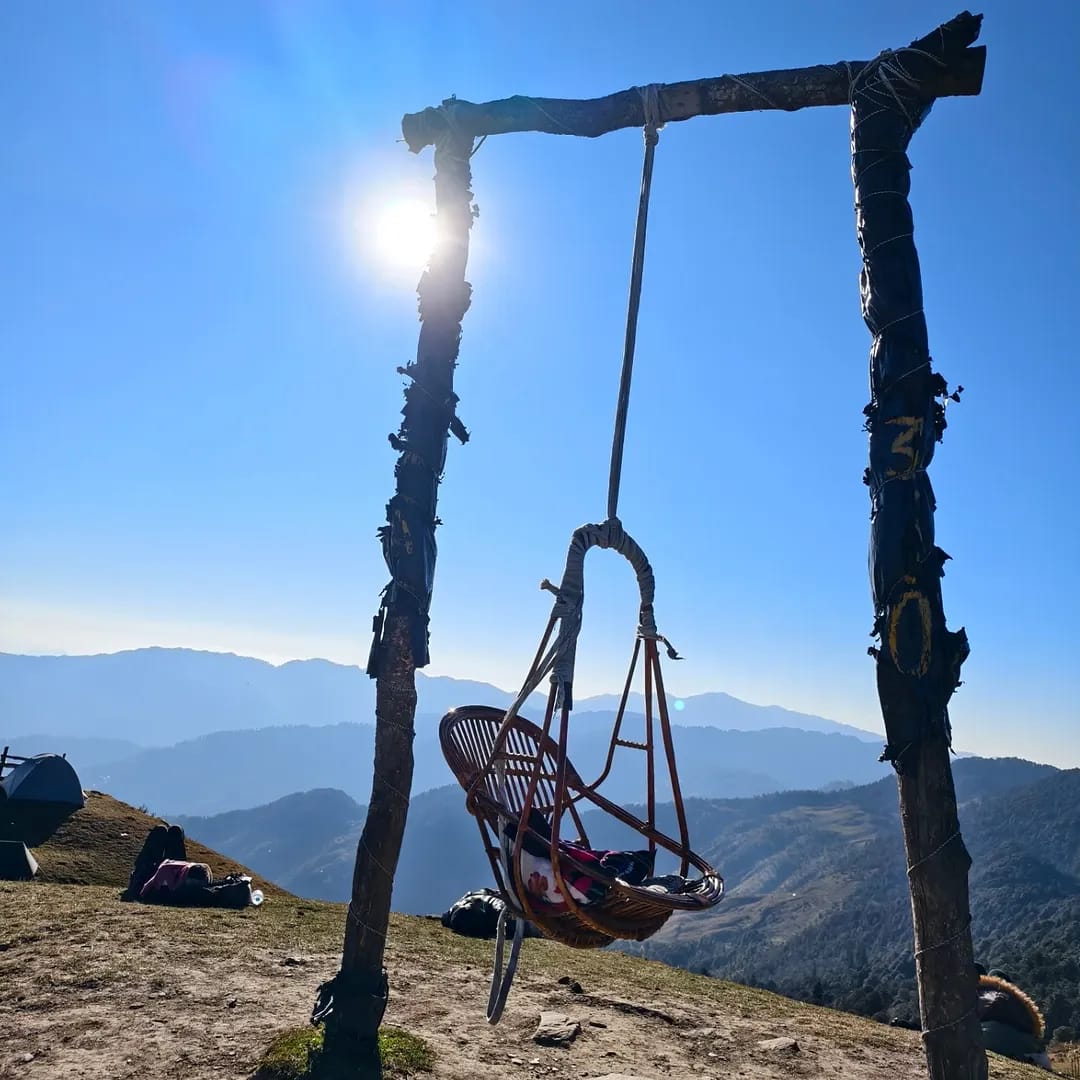
A slower morning in Jibhi
What happens when you stop negotiating with the clock for a single day in the valley.
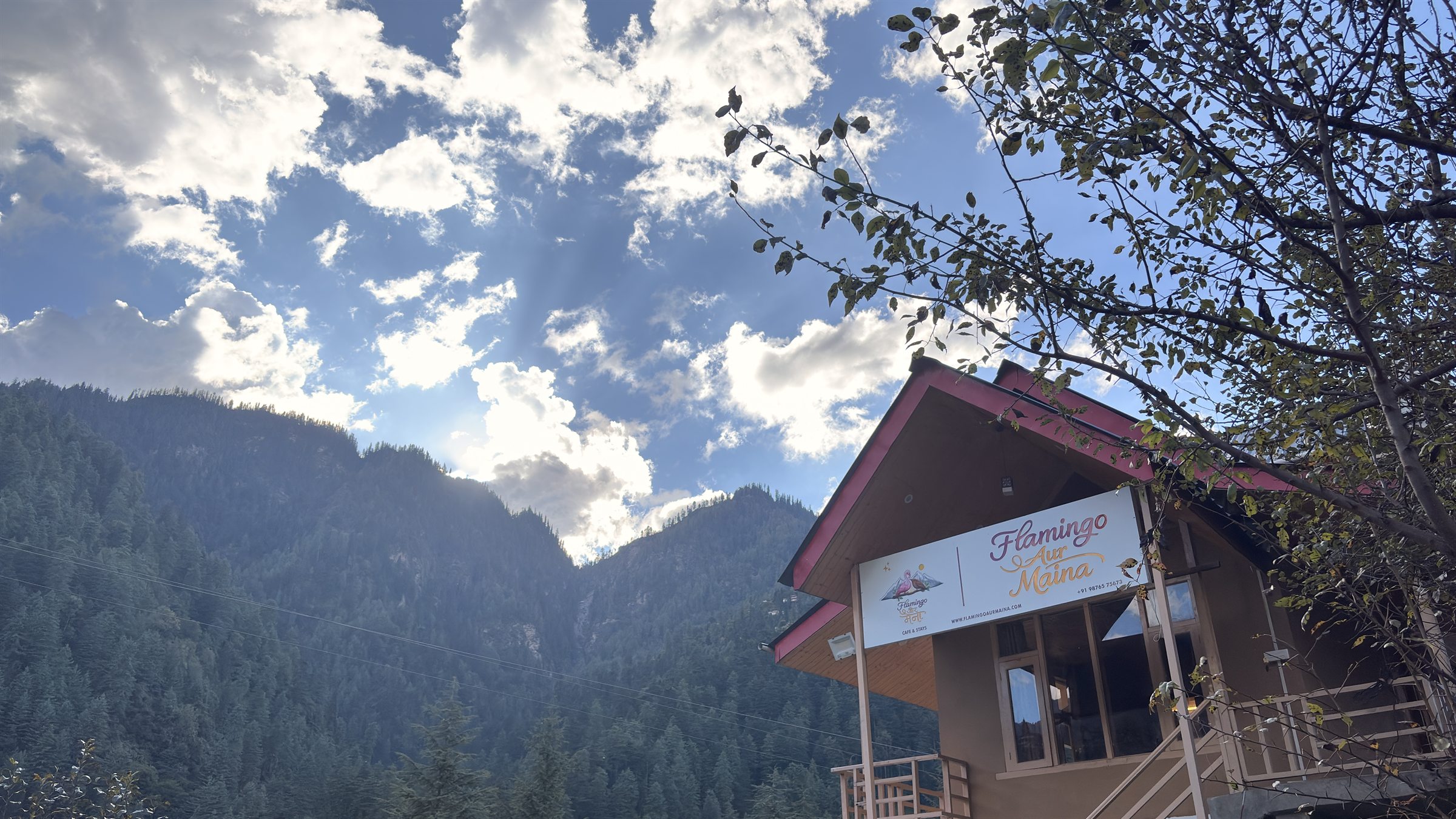
Most mornings here begin with a decision that has nothing to do with breakfast. It is the decision about how fast to get out of the door. The default is fast, because the default everywhere else is fast. But the valley does not require it, and once you have spent a night listening to the water rather than the road, urgency starts to feel borrowed.
The light comes in low from the east and takes a long time to cross a hillside. In that light the dewdrops on the grasses stay visible, the pines read as almost black against a pale sky, and the sound of the stream below is closer than it has any right to be. None of this needs you to be anywhere. It only needs you to be up.
The first hour
There is a working rhythm to a slow morning here, and it is worth naming because it is simple. Tea, made properly and drunk without a second task attached. Then the walk to the water, which on the Explore map is barely five minutes from the village centre. Then sitting down again somewhere with a view, for no stated reason, for as long as the light allows.
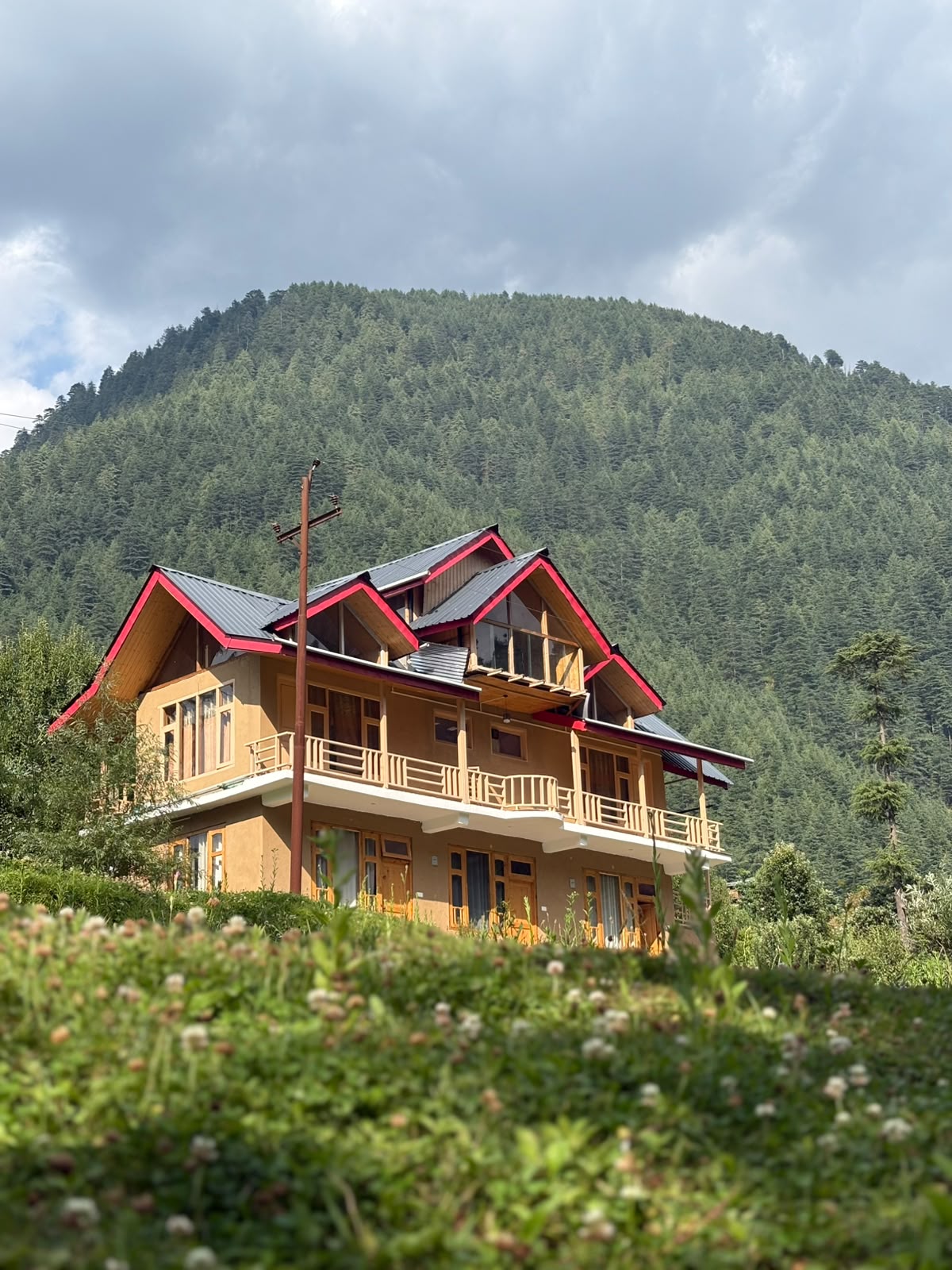
The mountains have never once been impressed by a schedule. They are only impressed by attention.
This is not advice about productivity dressed up as philosophy. It is a description of what the place is like when you let it set the pace. The difference is visible by ten in the morning: the walk is done, the tea is finished, and the day still has most of itself ahead.
Letting the day be ordinary
The best thing about an unhurried day in Jibhi is that it becomes entirely ordinary. You read. You notice that the orchard on the far side of the stream has turned. Someone walks past and stops to talk about a road that will be closed in the rains. The day does not produce much, and that is precisely the point — it does not need to, because you are not here to be productive.
By the time the shadows shorten and the day turns warm, you have done very little and you have seen quite a lot. That trade tends to be the whole reason people come to the mountains, and it is the reason most of them come back.