Monsoon in the mountains
The season that closes trails, doubles the water and changes what the valley sounds like.
The monsoon is not a rainy season here so much as a change of organising principle. For most of the year the valley is arranged around the view; for four months it is arranged around the water. Streams that were a footnote in April are the main feature by July.
What closes, and why
Trails wash out. Slopes that take forty minutes in dry weather take longer and give you more of the sky. The high passes the Explore listings mark as March to June, then September to November, are marked that way because between those windows the cloud is usually at pass height, and cloud at pass height is just white.
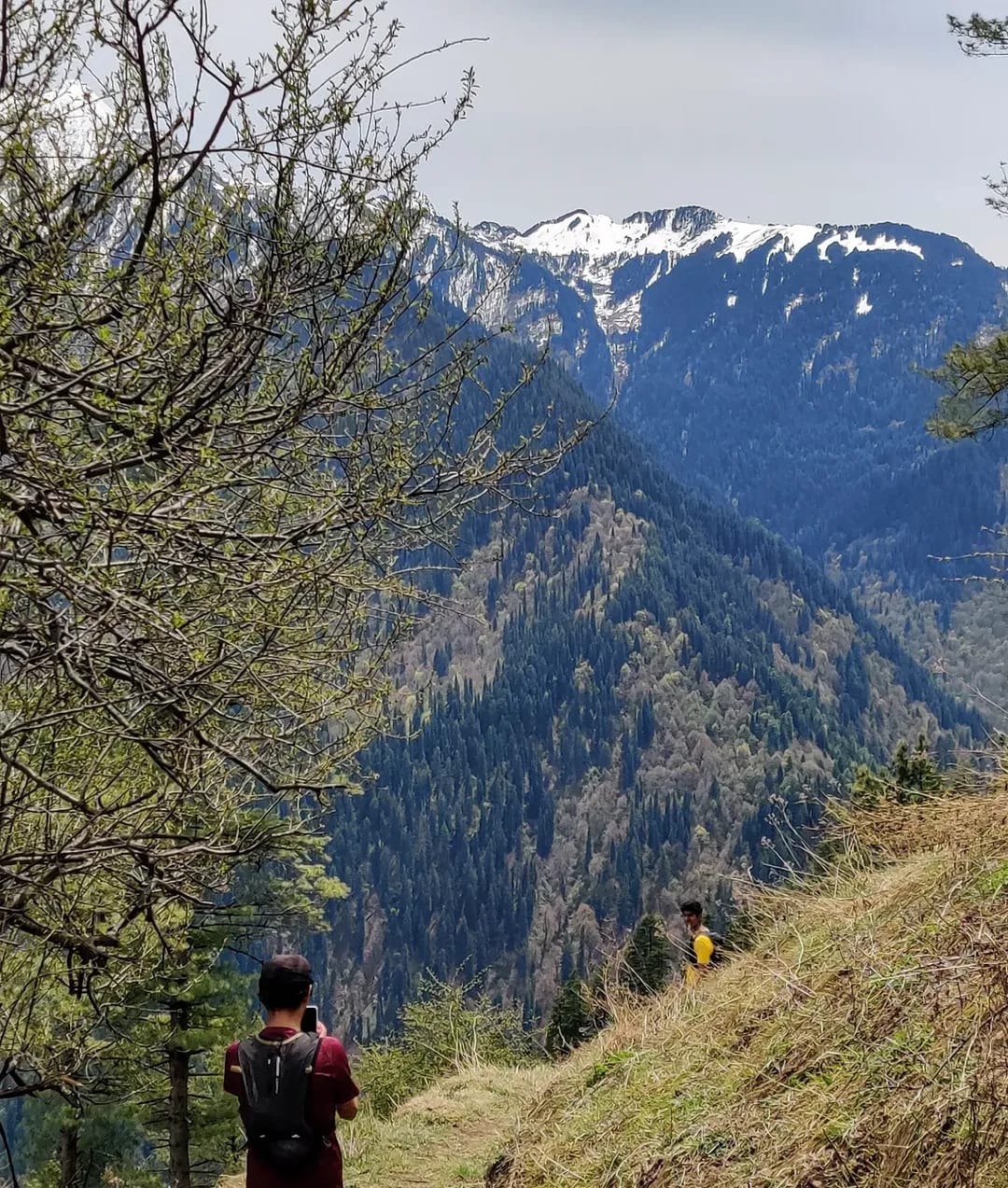
In the monsoon the valley is not less beautiful. It is louder, and it is asking for more attention.
None of that is a warning so much as an adjustment. Guests who come in the rains and expect a dry Alpine week tend to have a worse time than guests who come expecting a different place entirely. The green is extraordinary. The water is loud. The walks are shorter and the evenings are longer.
The upside
Fewer people, lower rates, and a landscape that is genuinely unusual — the kind of green that only happens for about ten weeks a year. If the reason you are drawn to the mountains is the mountains rather than the weather, the monsoon is not a compromise. It is the better bet.