Life among the apple orchards
A season measured in thinning, windfall and the specific quiet of a Tirthan autumn.
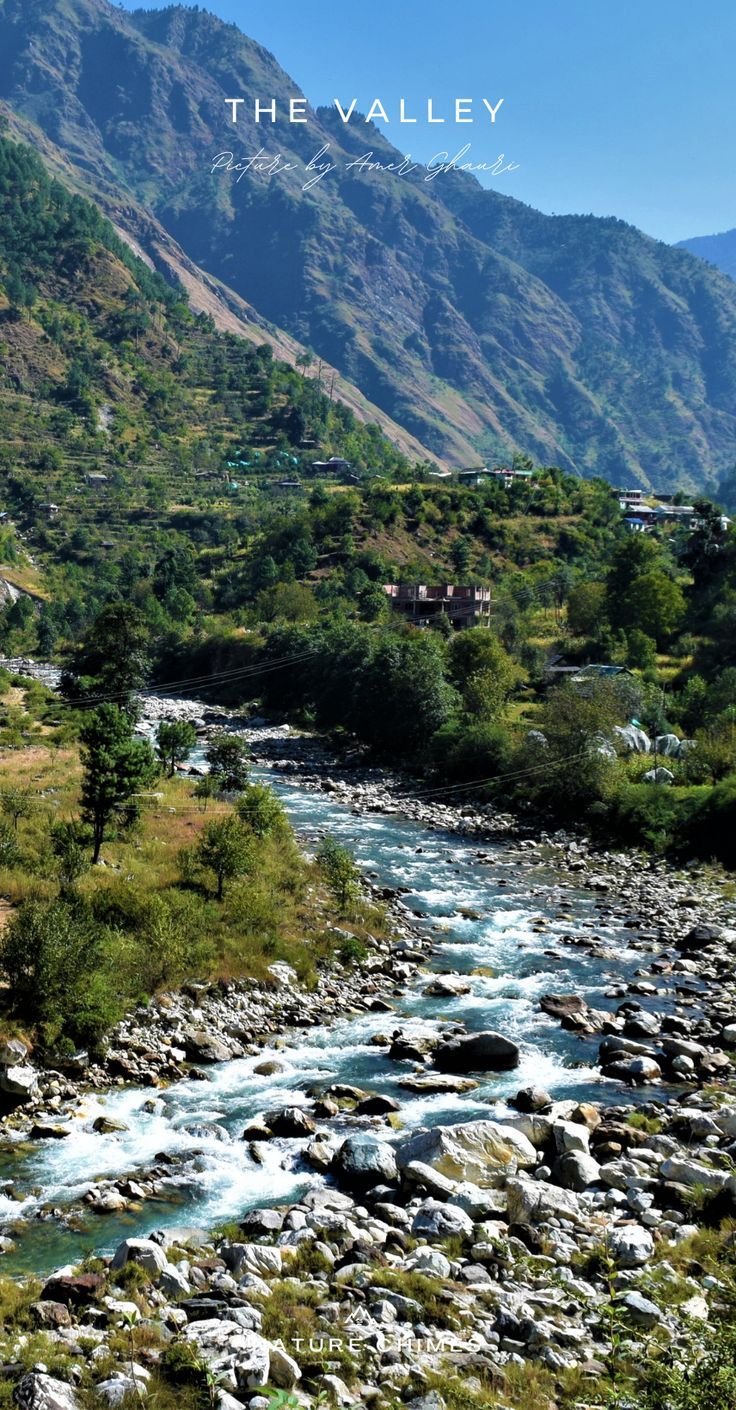
The Tirthan Valley grows fruit on terraces cut into slopes that were never meant to hold a flat field. The engineering is generations old and largely invisible, and the result is a landscape where farming and forest are interleaved rather than separated. You can stand at a stone wall and look across the top of one orchard and the bottom of the next.
Thinning is the real work
The visible work of an orchard year is picking, and the actual work is the opposite of picking: it is removing fruit, early, by hand, so that what remains is large enough to be worth eating. A grower will spend weeks taking away what could have been a bigger crop in order to have a better one. It is a strange discipline if your frame of reference is retail fruit, and an obvious one if you have ever watched anything grow.
The year is decided in June, weeks before anything is ripe.
Windfall follows. By late autumn the ground beneath the trees is loud with fruit that arrived early or fell short, and the smell of it — sweet, slightly fermented, gone past saving — is the smell of the season ending. Orchards are honest about time in a way that a calendar is not.
Visiting without intruding
These are working landscapes, which means the terraces are somebody's income and not a viewpoint. Slow walking, no picking without asking, and an awareness that a quiet hillside in autumn is the result of a great deal of labour and weather luck. It costs nothing to observe that and it changes what you are looking at.
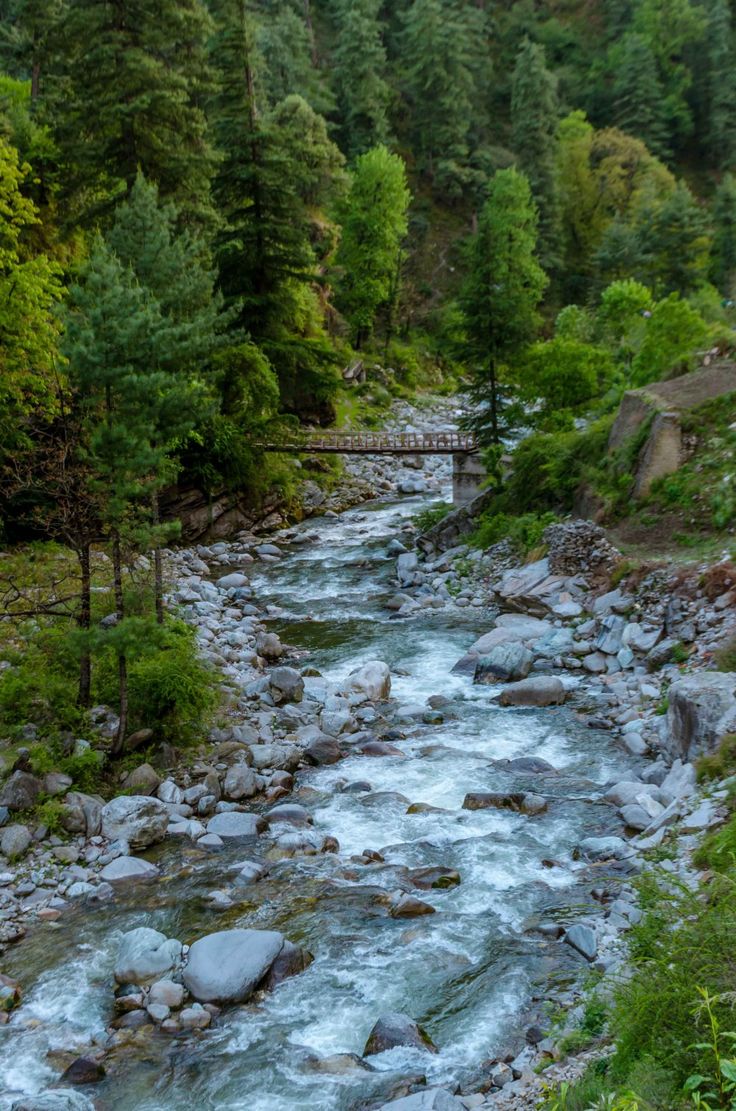
The forest here — the Great Himalayan National Park on the far side — is protected and wild, and the contrast is instructive. On one side of the valley the trees are managed to the leaf for production; on the other they are left to themselves. Both are landscapes. Only one of them has a name.